Over the past decade, Singapore has cemented its position as a leading wealth management centre in the world and has matured into a popular choice for ultra-high net worth families looking to put down roots in a stable and credible environment to preserve and grow their assets and legacy.
This article examines the legal and institutional architecture that underpins Singapore’s appeal, with particular focus on the favourable legal and regulatory environment that makes Singapore uniquely suited to wealth preservation in the modern era.
I. Singapore’s appeal as a destination
Singapore’s appeal is rooted not in opacity or fiscal minimalism, but in something more durable: institutional credibility and stability. The country offers a rule of law that is predictable, a judiciary that is internationally respected, and a government that has consistently signalled its commitment to the wealth management sector through deliberate legislative and regulatory design.
For families emerging from regions which suffer from instability, acts of war, political strife, opaque rules, and/or unpredictable regulatory environment, Singapore represents a fundamental upgrade from an uncertain jurisdiction to one where the rules are clear, consistently applied, and designed to endure.
II. The Legislative Architecture
The Trustees Act and Modern Trust Law
Singapore’s trust law is mainly grounded in the Trustees Act 1967, which has been modernised to align with best international practices. The Act provides a comprehensive framework governing trustee duties, investment powers, and protections, including statutory safe harbours that give professional trustees meaningful comfort when exercising discretion in complex situations.
Critically, Singapore’s trust law permits considerable flexibility in the design of trust structures. Settlors may retain reserved powers without automatically invalidating the trust, a feature of significant practical importance for founders and entrepreneurs who may be reluctant to fully relinquish control. The protector mechanism, widely recognised in Singapore practice, further allows families to embed an independent governance layer above the trustee.
Private Trust Companies and Purpose Trusts
For larger, more complex family structures, Singapore supports the use of private trust companies (“PTCs“), specialized vehicles whose sole purpose is to act as trustee of a family trust. The PTC model is particularly attractive in multi-generational succession planning because it allows the family to retain meaningful influence over trustee decisions while still achieving the legal separation required for an effective trust.
PTCs are typically held through a purpose trust or holding company structure, creating a self-contained governance architecture that can span multiple jurisdictions and asset classes. Singapore’s legal framework accommodates this model elegantly, and the availability of licensed trust companies and family office advisors makes it operationally viable.
Variable Capital Companies
The Variable Capital Company (VCC) framework, introduced in 2020, has added a powerful instrument to Singapore’s wealth structuring toolkit. While originally conceived as a fund vehicle, the VCC has found significant application in family wealth management — particularly as an umbrella structure that can hold multiple sub-funds, each with different asset classes, beneficiaries, or risk profiles, under a single legal entity.
Tax Incentive Framework
Singapore’s income tax framework includes targeted incentives for family offices and wealth structures that choose to domicile in Singapore. The Section 13O/OA and Section 13U schemes under the Income Tax Act provide tax exemptions on specified investment income for funds managed by single-family offices, subject to qualifying conditions including minimum assets under management, local investment and expenditure requirements, and substance criteria.
These incentives are not designed to facilitate avoidance — Singapore is a signatory to the OECD’s Common Reporting Standard and participates fully in automatic exchange of information. Rather, they are designed to attract genuine wealth management substance: professional teams, investment decisions, and compliance infrastructure, all based in Singapore.
III. Trust Restructuring: Singapore as the Destination of Choice
One of the more significant but less-discussed aspects of Singapore’s appeal is its suitability as the destination jurisdiction in trust restructuring exercises. Families holding existing structures in offshore jurisdictions — the British Virgin Islands, Cayman Islands, Jersey, or Guernsey — are increasingly considering whether those structures remain fit for purpose, and whether migrating to Singapore offers meaningful advantages.
The Case for Restructuring
The drivers of restructuring are varied. Some families are motivated by geopolitical considerations — concerns about the long-term stability of their existing jurisdiction, or the risk that relationships between that jurisdiction and relevant enforcement authorities may shift. Others are motivated by succession: as wealth moves from first to second generation, the structures established by founders may no longer reflect the preferences or governance expectations of the next generation. In many cases, restructuring is triggered by a change in the beneficial owner’s own circumstances — a migration to Singapore, a desire to consolidate advisory relationships, or the establishment of a Singapore family office that makes it logical to align the legal structure with the management hub.
Singapore’s Recognition of Foreign Trusts
A key technical advantage in restructuring exercises is Singapore’s pragmatic approach to conflict of laws in the trust context. Singapore courts apply English common law principles and are willing to recognise and give effect to trusts governed by foreign law, provided they do not conflict with Singapore public policy or mandatory rules.
This means that a family holding assets through a BVI or Cayman trust can migrate administration to Singapore — appointing a Singapore-licensed trustee, relocating the place of administration, and potentially seeking a change of governing law — without necessarily unwinding and reconstituting the structure. The legal continuity this affords is valuable: it preserves existing asset protection provisions, avoids triggering restructuring costs, and maintains the trust’s historical record.
IV. The Forward View
Singapore’s position in the wealth management landscape is not static. The jurisdiction continues to develop its legal and regulatory framework in response to both market demand and international standards.
On the legislative side, ongoing consultation processes address issues including the treatment of digital assets in trust structures — an area of growing practical importance as families hold significant cryptocurrency and tokenised asset positions. MAS has moved thoughtfully in licensing digital asset custodians and establishing a regulatory perimeter for digital payment token services, creating a framework within which trust structures can hold these assets with legal clarity.
On the advisory infrastructure side, Singapore continues to attract talent from Hong Kong, Switzerland, and other wealth management centres, deepening the pool of experienced trust lawyers, private bankers, and family office professionals available to serve sophisticated clients.
V. Conclusion
Singapore’s emergence as Asia’s premier jurisdiction for wealth preservation and trust restructuring reflects the convergence of three qualities that sophisticated families require: legal certainty, institutional credibility, and a professional ecosystem capable of executing complex, multi-jurisdictional structures with precision.
For families seeking a permanent, defensible home for their wealth — one that will serve not just the current generation but those that follow — Singapore offers what few jurisdictions can: a jurisdiction whose confidence is earned rather than claimed, and whose architecture for wealth preservation is designed, not merely inherited.
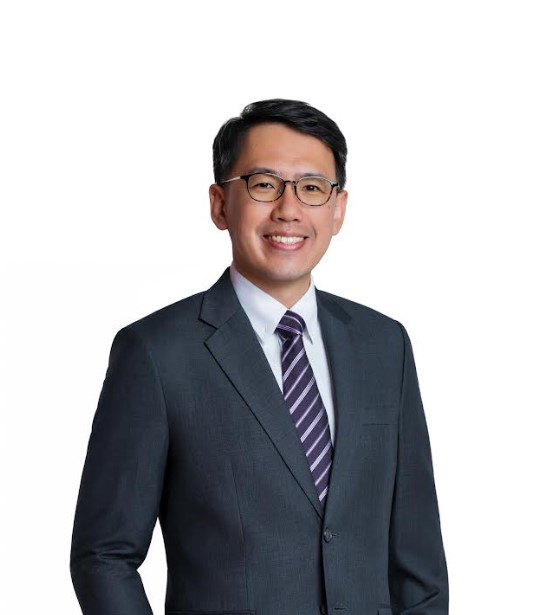
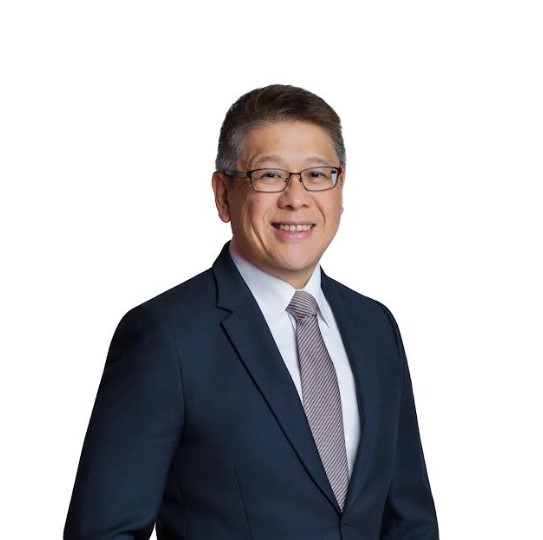
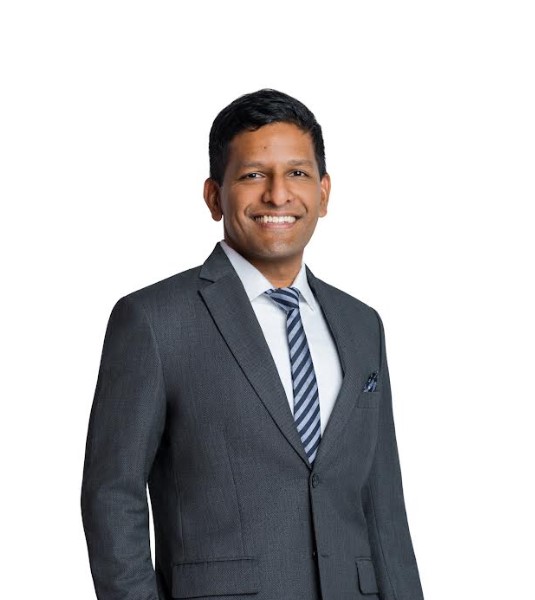
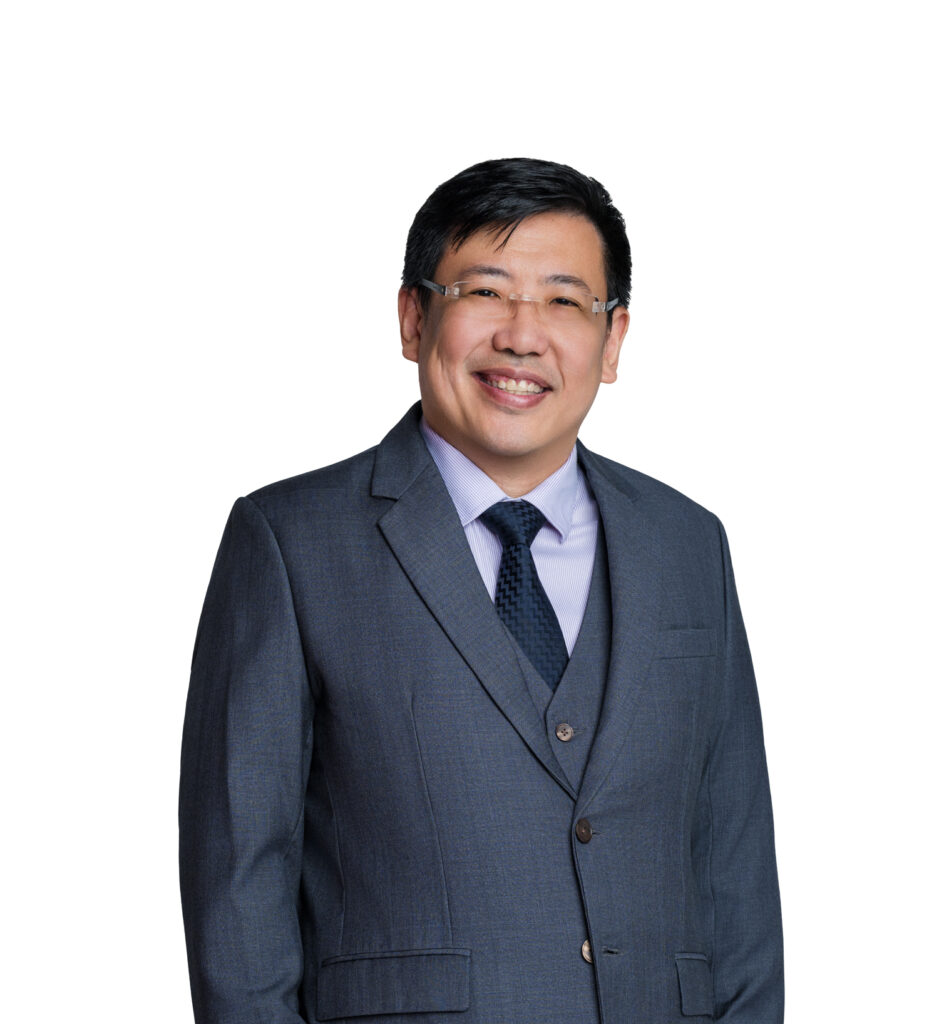
If you are thinking about setting up a Singapore family office or private trust structure, please contact our Private Wealth Team at JurisAsia LLC, comprising Tan Choon Leng, Vincent Tan, Prashaanth Rajandran and Clarissa Wong, who would be pleased to guide you through the process.